You are looking for sustainable solutions to lose weight without dieting and without depriving yourself? This article offers concrete avenues, based on simple principles: gradually modify your relationship with food, organize daily physical activity, and establish healthy habits that last in the long term. Rather than a strict plan with a limited duration, the goal is to provide effective methods that can be applied from today, clear and measurable, to improve your well-being and your figure without frustration. Through the storyline of Claire, a 38-year-old executive who wants to regain energy without following a diet, you will discover practical strategies, examples of weekly routines, and common mistakes to avoid. The tips cover balanced nutrition, portion control, physical activity, hydration, stress management, and restorative sleep, for a comprehensive and realistic approach. Pursuing these methods allows for weight loss while improving the quality of life: fewer cravings, more energy, and a calmer relationship with food. Read on for precise steps, a summary table, and reliable resources to delve deeper into each point.
- Objective: lose weight sustainably without dieting by changing habits.
- Keys: balanced nutrition, physical activity, healthy habits.
- Methods: portion control, daily walking, hydration, stress management, sleep.
- Expected result: gradual weight loss, weight maintenance, and improved energy.
- Resources: practical guides and useful data to get started without delay.
Understanding weight loss without dieting: principles and stakes
Losing weight without following a restrictive plan means permanently modifying the parameters that influence the energy balance: what you eat, how much you move, and how your body recovers. The approach prioritizes gradual gains that are easy to maintain. It is aimed at those who want to avoid the yo-yo effect and the frustrations associated with strict diets.
Claire illustrates this path well: after several attempts at trendy plans, she chose to optimize her daily habits. Result: stable weight loss and increased energy. Adopting this method requires patience and regular adjustments, but it significantly reduces the risk of rapid weight regain.
Why diets often fail and how to avoid it
Very restrictive diets create a brutal and often unsustainable deficit. The metabolism adapts, hunger increases, and motivation wanes. To avoid this trap, prioritize the gradual increase of positive actions: improve the quality of foods, reduce excessive portions, and add regular physical activity.
Practical conclusion: limit drastic measures, favor realistic adjustments that last. This allows you to transform occasional efforts into healthy habits.
Effective methods for losing weight without dieting
Here are concrete and validated ways to initiate a sustainable weight loss. Each method serves a specific goal and can be combined according to your lifestyle rhythm.
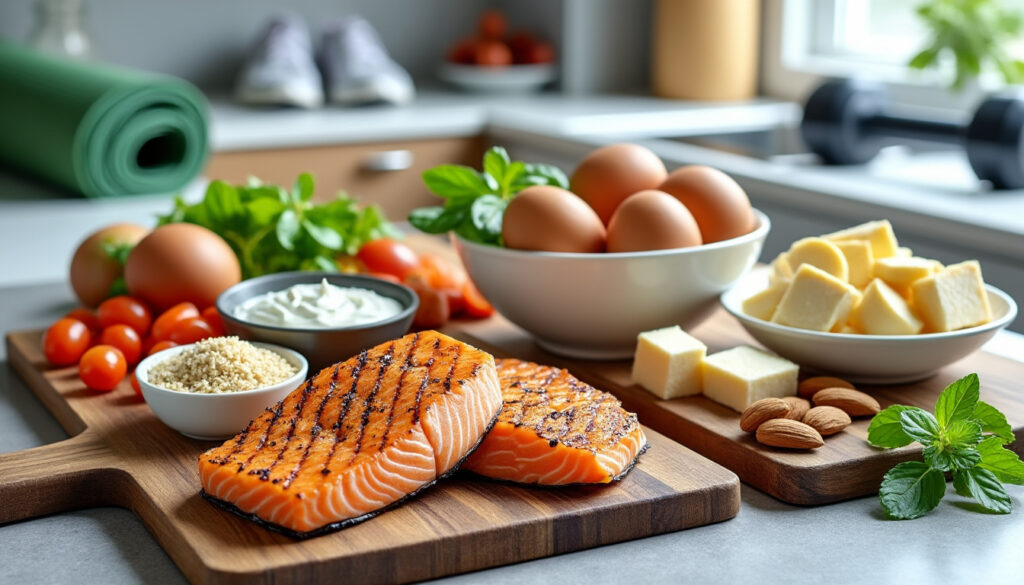
- Balanced nutrition: prefer whole foods, unlimited vegetables, lean proteins, and quality fats.
- Portion control: learn to adjust portion sizes instead of eliminating categories of foods.
- Hydration: drinking enough helps reduce false hunger sensations and supports metabolism.
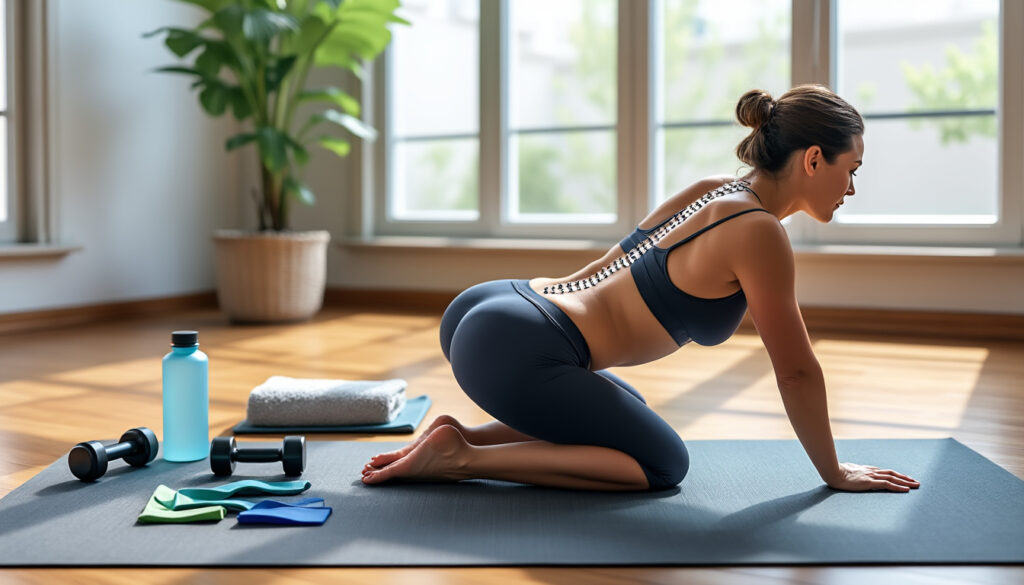
- Physical activity: integrate walking, strength training, and activities you enjoy.
- Stress management: breathing techniques, micro-breaks, limit emotional eating.
- Restorative sleep: good sleep regulates hunger and satiety.
For more in-depth information on nutrition and practical tips, reliable resources offer concrete advice: for example, check out a file on weight loss validated by a nutritionist and a useful weight loss advice guide to implement gradual changes to lose weight without dieting.
Portion control: simple and concrete methods
Portion control does not mean constant hunger. Use visual cues: a palm for proteins, two handfuls for vegetables, a cup for starches. Filling half your plate with non-starchy vegetables naturally reduces calories without compromising satiety.
Anecdote: Claire replaced her large bowl of pasta in the evening with a moderate portion and a warm salad; after three weeks, the feeling of discomfort after meals disappeared, and the scale followed. Insight: the gradual decrease in portion size is often enough to initiate weight loss.
Practical modalities: weekly routine to apply these methods
A simple and adaptable plan: each week, alternate exercise intensity and recovery to avoid weariness. Here’s a sample to follow to get started.
- Walk 30 minutes a day, 5 days a week. Walking can be divided into two sessions of 15 minutes.
- Two short strength training sessions (20–30 min) focused on large muscle groups.
- Plan three meals consisting of one vegetable each meal and limit ultra-processed foods to one serving per week.
- Drink regularly: aim for 1.5–2 L of water depending on activity and heat.
- Practice 5 minutes of breathing or heart coherence in the morning and evening for stress management.
- Maintain a stable sleep rhythm: regular bedtime and wake time to promote restorative sleep.
Walking is particularly accessible: its benefits are numerous, both for burning calories and for mental health. To learn about the benefits of walking and estimate efforts, consult practical guides.
Concrete example: Claire’s typical week
Claire starts the week with a 30-minute morning walk, integrates two strength training sessions (Monday and Thursday), and reserves the weekend for a hike or an active social activity. She keeps an eye on her portions and replaces sweet snacks with fruits or nuts. Result after two months: -3 kg and better stress management.
Key phrase: consistency takes precedence over intensity. A moderate and regular routine yields better results than a maximal one-off effort.
Points of attention, limits, and common mistakes to avoid
Some pitfalls to be aware of so as not to hinder your progress:
- Avoid comparisons with quick transformations seen on the internet: they are often temporary.
- Do not skip meals: this promotes cravings and overeating at the next meal.
- Be careful with sweetened beverages: they provide liquid calories that do not satisfy.
- Do not underestimate the role of sleep and stress in weight gain.
- Avoid perfectionism: an occasional slip does not cancel out a good routine.
For expert advice on tips and mistakes to avoid, practical resources offer complementary avenues, such as lists of concrete tips to lose weight without dieting.
Priority action list to implement this week
- Plan three meals with a serving of vegetables each time.
- Schedule five 30-minute walking outings in your agenda.
- Replace one sweet drink with water each day.
- Go to bed 30 minutes earlier for three nights.
- Keep a small notebook to note hunger feelings and energy.
| Method | Weekly effort | Expected result | Concrete example |
|---|---|---|---|
| Daily walking | 30 min x5 | Weight loss of about 0.2–0.5 kg/month depending on diet | Walking to work or after dinner |
| Portion control | Continuous learning | Caloric reduction without deprivation | Using smaller plates |
| Strength training | 2 sessions of 20–30 min | Increased basal metabolism | Squats, lunges, modified push-ups |
| Restorative sleep | 7–9 h/night | Better regulation of hunger | Calm ritual before bed |
To estimate more precisely the impact of activities, online tools provide estimates of the calories burned: for example, a calculator to know the calories burned during 30 minutes of walking can help plan your sessions.
Practical resources and useful equipment
Some small investments facilitate implementation: a pair of suitable shoes, a meal bag to control portions, a reusable water bottle. The choice of shoes is important if walking becomes central to your routine: an online comparator can guide you to models suited to your stride and practice to choose a running pair.
Insight: proper equipment reduces the risk of injury and improves comfort, which increases the probability of long-term adherence.
Last advice before starting: start with simple and measurable actions. Note your progress and adjust the loads gradually. In case of pathology or medical doubt, consult a healthcare professional.
{« @context »: »https://schema.org », »@type »: »FAQPage », »mainEntity »:[{« @type »: »Question », »name »: »How long does it take to see weight loss without dieting? », »acceptedAnswer »:{« @type »: »Answer », »text »: »Visible weight loss depends on many factors (starting point, habits, activity). Generally, moderate and lasting results appear after 4 to 8 weeks if changes are consistent. Prioritize sustainability rather than speed. »}},{« @type »: »Question », »name »: »Do you have to eliminate sugar to lose weight without dieting? », »acceptedAnswer »:{« @type »: »Answer », »text »: »It is not necessary to completely eliminate sugar, but to reduce ultra-processed foods and sweetened beverages. Replacing industrial desserts with fruits or homemade preparations significantly reduces caloric intake. »}},{« @type »: »Question », »name »: »Is walking enough to lose weight? », »acceptedAnswer »:{« @type »: »Answer », »text »: »Regular walking is an effective method, especially when combined with portion control and balanced nutrition. To optimize results, add 1 to 2 strength training sessions per week. »}}]}How long does it take to see weight loss without dieting?
Visible weight loss depends on many factors (starting point, habits, activity). Generally, moderate and lasting results appear after 4 to 8 weeks if changes are consistent. Prioritize sustainability rather than speed.
Do you have to eliminate sugar to lose weight without dieting?
It is not necessary to completely eliminate sugar, but to reduce ultra-processed foods and sweetened beverages. Replacing industrial desserts with fruits or homemade preparations significantly reduces caloric intake.
Is walking enough to lose weight?
Regular walking is an effective method, especially when combined with portion control and balanced nutrition. To optimize results, add 1 to 2 strength training sessions per week.