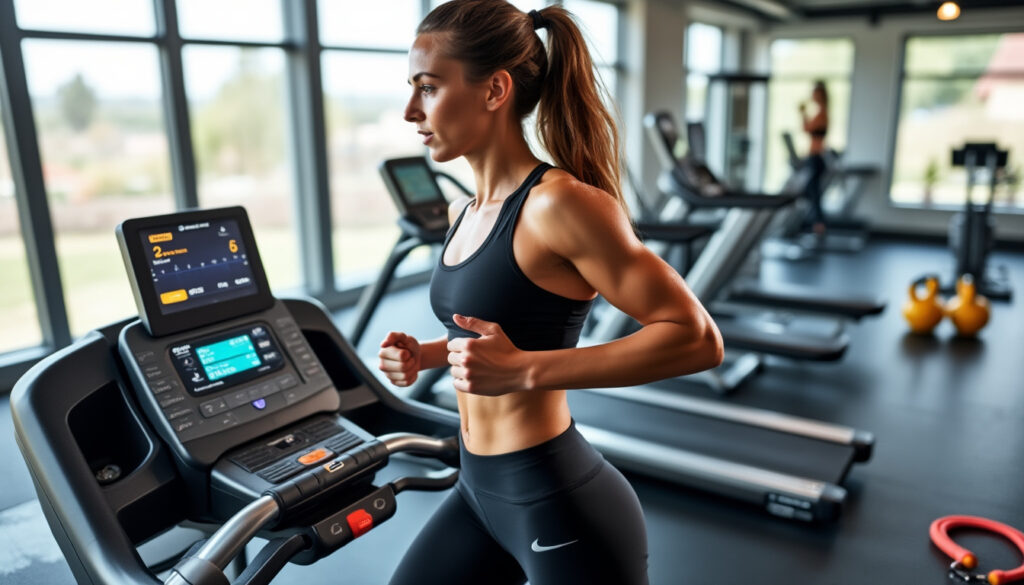
Starting a beginner sports routine at home without equipment is one of the most pragmatic solutions to regain shape and tone. This article offers a clear and progressive method to structure a home workout that is simple, safe, and effective. You will find practical advice for warming up, easy-to-learn home exercises (squats, adapted push-ups, planks), variations to progress without accessories, as well as a sample schedule to follow three times a week. The guiding thread features Camille, an employee with a tight schedule, who transforms ten daily minutes into a sustainable and noticeable habit for her daily energy. The result: better posture, more endurance, and the benefits of exercise on mood and sleep. Practical tips will help you avoid common mistakes—such as neglecting the warm-up or pushing intensity too quickly—and stay motivated. This guide is designed for novice readers, adaptable according to age and physical condition, and is based on proven methods for accessible and respectful equipment-free sports.
- Easy sports routine: short sessions, 2–3 times a week.
- Simple exercises: squats, adapted push-ups, planks, lunges.
- No equipment: progression via repetitions, tempo, and rest.
- Fitness tips: warm-up, technique, recovery.
- Beginner physical activity: suitable for all ages with variations.
Beginner sports routine: definition, context, and stakes
A beginner sports routine at home without equipment aims to establish regular and safe habits. It combines mobility, overall strength, and light cardio to create a solid foundation. The goal is not immediate performance but the appropriation of the movement and consistency.
In 2026, the trend remains clear: many prefer « home workouts » for their practicality. The real difficulty for a novice is less technical than behavioral: finding a time slot, protecting your back, and measuring small progress.
Who is this home sports routine for?
This program is primarily suitable for those starting training, those returning after a break, and busy individuals. It is also relevant for active seniors seeking to improve balance and tone while minimizing risks.
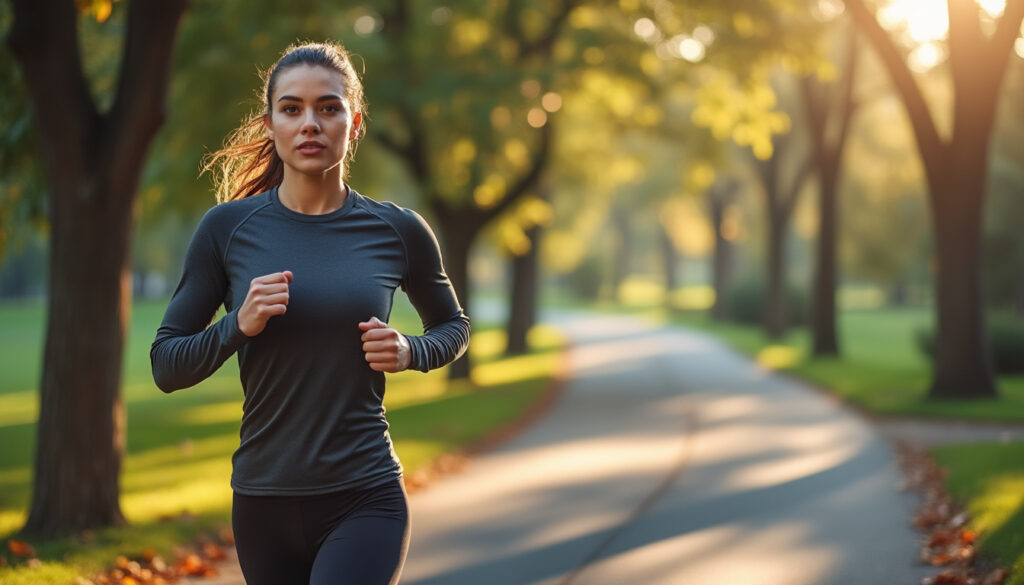
Camille, a fictional character, perfectly illustrates the typical profile: 34 years old, sedentary job, time constraints. By following an easy sports routine of 20–30 minutes, she regained energy without equipment and without a gym.
Advantages, limitations, and points of attention for equipment-free sports
The main advantages are ease of access, no cost, and flexibility. Equipment-free sports promote regularity, a key element for observing progress.
Limitations: some weights and resistance are lacking to develop maximum strength, and progression requires creativity (variations, tempo, volume). Point of attention: respect the warm-up and adapt the intensity according to your feelings to avoid injuries.
Practical modalities: warming up and simple exercises for beginners
Start each session with a warm-up of 5 minutes: shoulder rotations, knee bends, hip mobilizations, and dynamic stretches. The warm-up prepares the joints and reduces the risk of injury.
The essential home exercises are: squats, push-ups (adapted if necessary), modified burpees, lunges, planks, and mountain climbers. Focus on the quality of the movement rather than the quantity.
Quick warm-up program (5 minutes)
Concrete examples: 30 seconds of shoulder rotations, 30 seconds of hip mobilizations, 1 minute of marching in place, 30 seconds of gentle knee bends. Finish with a few deep breaths.
Key phrase: a short and targeted warm-up improves the quality of the session.
Table: basic exercises for beginners
| Exercise | Target muscle | Repetitions / Duration | Intensity |
|---|---|---|---|
| Squats | Legs, glutes | 3 × 10–15 | Medium |
| Adapted Push-ups | Chest, triceps, shoulders | 3 × 6–12 | Moderate to high |
| Plank | Core, trunk | 3 × 20–45 s | Medium |
| Alternating Lunges | Thighs, stability | 2 × 8–12 / leg | Medium |
| Modified Burpees | Overall cardio | 2 × 8–12 | High |
Example sequences and typical sessions for home training
A simple sequence to start: 20 squats, 10 adapted push-ups, 30 s of plank, 15 lunges (alternating). Repeat 2 to 3 circuits based on your daily form.
To save time, circuit training is ideal: 4–5 exercises chained 40 s ON / 20 s OFF for 20–30 minutes. This format combines strength and cardio.
A simple tutorial video to follow for beginners, showing the correct technique for each movement and lighter options.
A second tutorial offers a 20-minute circuit without equipment, perfect for busy evenings.
Adapted Pilates and yoga sessions for body weight
Pilates improves core stability and posture through precise movements, while yoga promotes flexibility and relaxation. Both practices combine well with a strengthening program and provide a recovery and body awareness dimension.
For a beginner, a 30-minute Pilates session and a 30–45 minute yoga session are sufficient to observe gains in stability and mobility.
Organization, setup, and scheduling of sessions
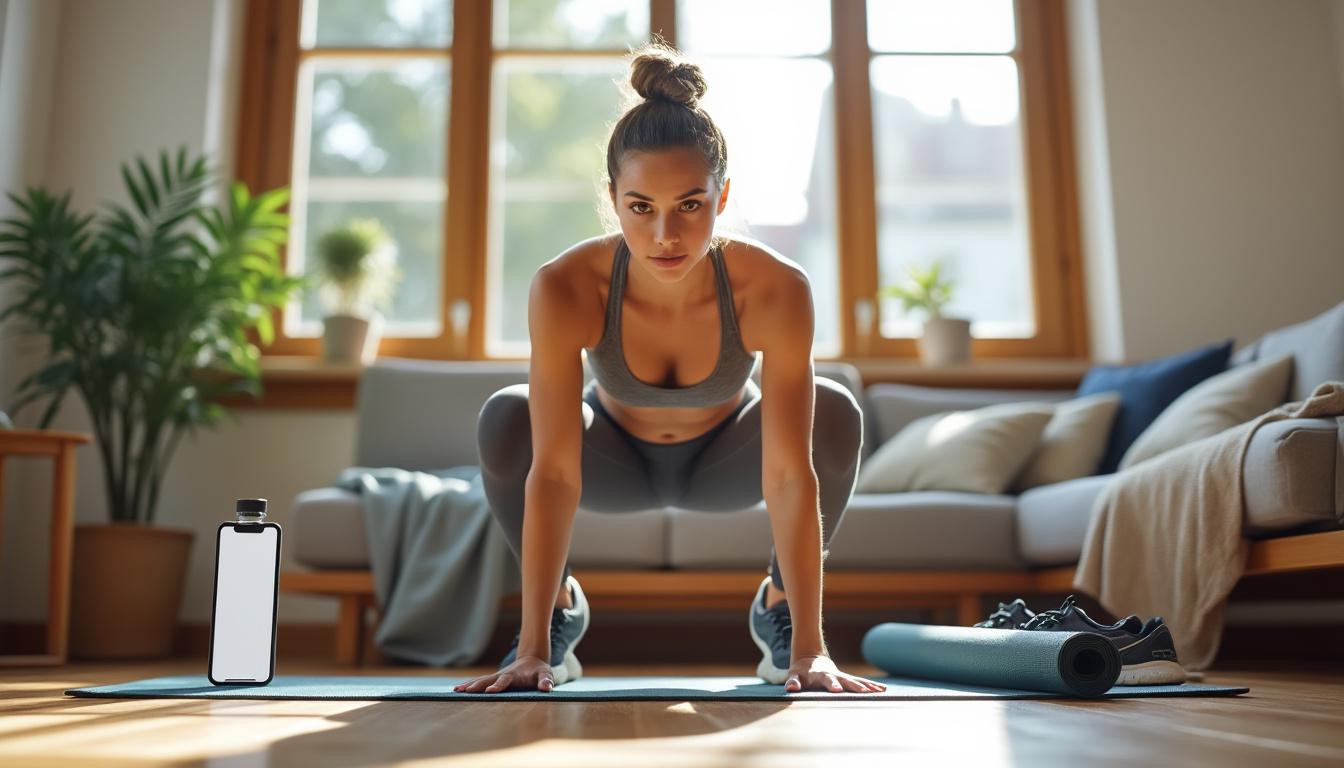
Set up a dedicated corner: mat, water bottle, soft music if you like. Choose a regular time slot (morning or evening) to turn effort into habit. Regularity takes precedence over intensity for beginners.
Practical tip: write down your sessions in a notebook or an app to track progress. These small proofs of regularity enhance motivation.
Progression and adaptations without equipment
Without weights, progression is made by: increasing repetitions, modifying the tempo (slow eccentric phase), decreasing rest times, and introducing more challenging variations (e.g., standard push-ups). These levers allow for sustainably intensifying the workout.
Practical example: increase 2–3 repetitions per session or add 10 seconds of planking each week. Gradual progression reduces risks and consolidates gains.
Practical tips and common mistakes to avoid
- Do not neglect the warm-up: even 5 minutes are enough to protect the joints.
- Prioritize technique: the quality of the movement is more important than the quantity.
- Avoid comparison: progress at your own pace to avoid injury and frustration.
- Plan for recovery: rest days, sleep, and nutrition significantly influence results.
Final key advice: adjust intensity according to your state of the day. Listening to your body is not a weakness, it is a sustainable strategy.
Resources and program models to deepen your practice
To complement this guide, consult detailed programs and tutorials suitable for beginners. Practical guides explain how to structure a more complete program and provide examples of progressive circuits.
Among the useful resources: 10 exercises to strengthen at home without equipment and a complete tutorial on how to create a home workout program without equipment.
- Start with 2–3 sessions per week of 20–30 minutes.
- Learn the technique: fewer repetitions, better executed.
- Vary: add Pilates or yoga once a week for mobility.
- Track progress: gradually increase volume or tempo.
Can you really gain muscle without equipment?
Yes. For beginners, body weight is enough to develop strength, tone, and endurance, provided you apply progression and work on technique.
How long does it take to see results?
The first improvements (energy, endurance, better posture) often appear after a few weeks if practice is regular. Visible changes take several months depending on frequency and intensity.
What frequency for a beginner?
2 to 3 sessions per week of 20–40 minutes are a good base. Allow at least 48 hours between two intense sessions for recovery.
Is yoga and Pilates suitable for beginners?
Absolutely. Yoga improves flexibility and breathing; Pilates strengthens the core. Both disciplines integrate well into a comprehensive program and assist in active recovery.